"Sensory toy" has become one of those labels that gets stuck on anything with a bit of texture, so let's start with what it actually means: a toy that gives a toddler clear, repeatable feedback through touch, sound, sight or movement — with nothing else competing for their attention. No screen, no music loop, no forty buttons. Just cause, effect, and a toddler figuring out the difference between rough and smooth, loud and quiet, full and empty.
Here's what we'd actually put in a toddler's hands, in the order we'd buy it.
Buy first: texture and touch
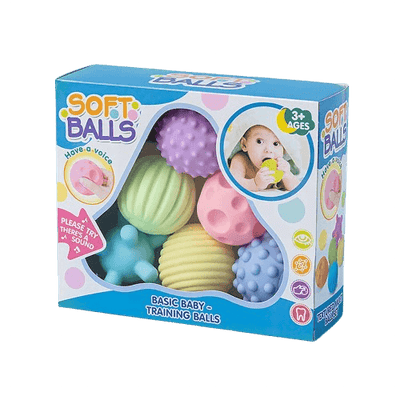
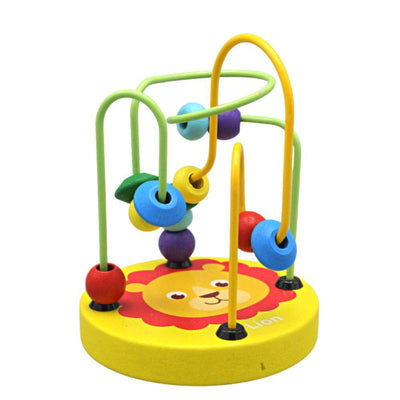
Before anything else, toddlers need things that feel different from each other. A set of textured balls, a bead maze with beads that spin and rattle, anything with bumps, ridges or fabric changes under the fingers. This is the entry point — it's simple, it's hard to break, and a one-year-old and a three-year-old can both use the same toy for completely different reasons.
Buy second: shape and sort
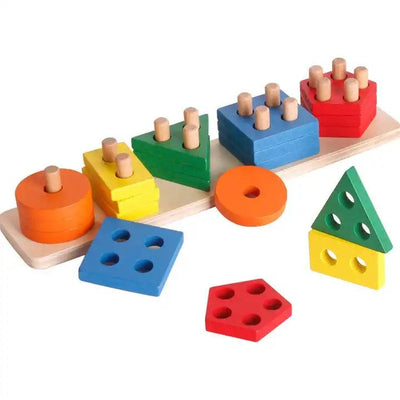
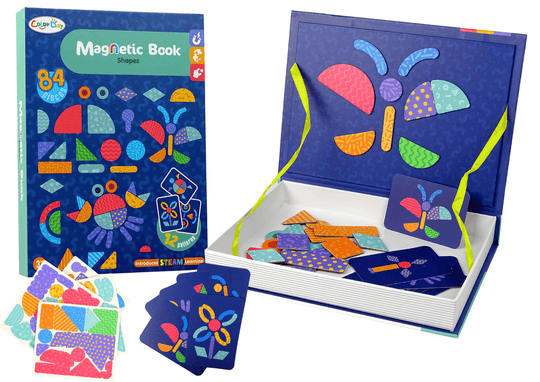
Once a toddler can grip and release on purpose, shape sorters and stacking sets take over. They're doing two jobs at once: fine motor control (getting the piece in) and early categorising (this one's round, that one's not). Resist the urge to help too much — the fumbling is most of the value.
the bead maze survives being dropped down the stairs. we checked.
Buy third: whack, press, pop
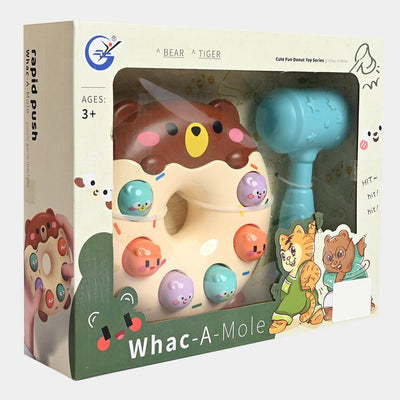
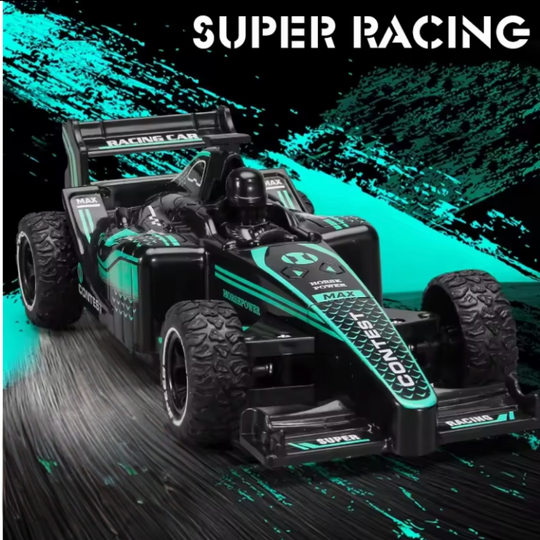
Toddlers love a toy that reacts instantly and obviously — press it, it pops back; hit it, it wobbles. Whack-a-mole style toys and push-pop sets are pure cause-and-effect, and they burn off exactly the kind of restless energy that builds up before a nap.
What "sensory" doesn't mean
It doesn't mean flashing lights and a speaker. Battery toys that do the entertaining for the child are the opposite of a sensory toy — the child is watching, not doing. If you have to ask "does this need batteries," that's usually your answer. Our Puzzles & Sensory Toys collection is screen-free and battery-free almost throughout, on purpose.
A word on age
"Toddler" covers a wide span — a wobbling one-year-old and a running-everywhere three-year-old are not shopping for the same toy, even under the same label. If you're not sure where your child sits, our 1–2 Years and 2–3 Years collections split it out properly, with real stock counts, not guesswork.
Safety, briefly
Sensory toys live and die by small parts — beads, balls, pieces. Check the age label on the box, and for anything under two, favour sets where the "small" parts are still too big to swallow. If you want the long version, our toy safety and age guidance page covers it properly.
What we'd actually buy, and why
Four picks below cover all three buying stages above — texture, shape-and-sort, and cause-and-effect — so you're not guessing which order to fill the toy box in. All four are in stock in Lahore and ship nationwide, Cash on Delivery, no card required.
None of this needs to be expensive or complicated. A toddler doesn't need a toy that does more. They need one that does one thing, reliably, over and over, until they've worked it out completely — and then they'll show you, about forty times, whether you're watching or not.