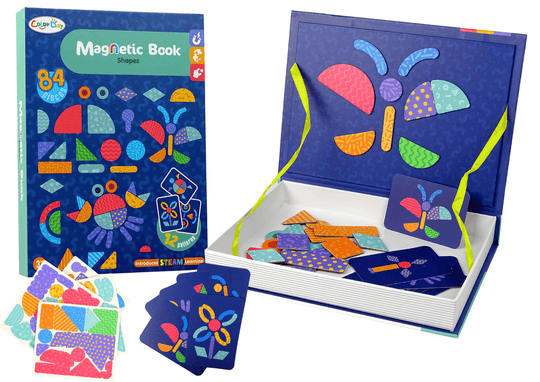
A short note before we start: we are a toy shop, not a clinic. If you're genuinely worried about your child's speech, the first call is a paediatrician or speech-language therapist, not a product page. What follows is what we've learned from parents who are already in that process and are looking for toys that support the work being done in therapy — not replace it.
Why toys at all?
Speech-language therapists consistently point to the same thing: language grows fastest through back-and-forth play with a real person, not through any toy on its own. What a toy can do is give a child a reason to talk — something worth naming, pointing at, asking for, or narrating out loud. The best toys for this aren't the ones that talk back. They're the ones that make your child want to.
What actually helps
Three kinds of play come up again and again in what therapists and parents tell us:
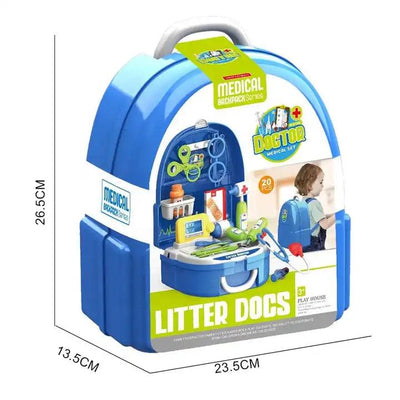
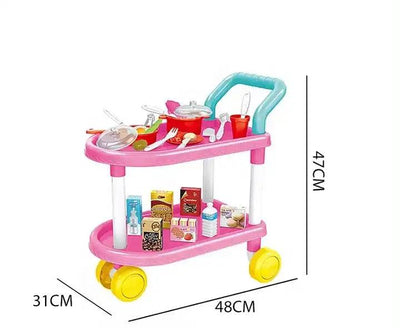
- Pretend play with real "jobs." A doctor's kit, a kitchen set — these hand a child a script to imitate ("say aah," "cooking rice") and a reason to narrate what they're doing, which is language practice disguised as fun.
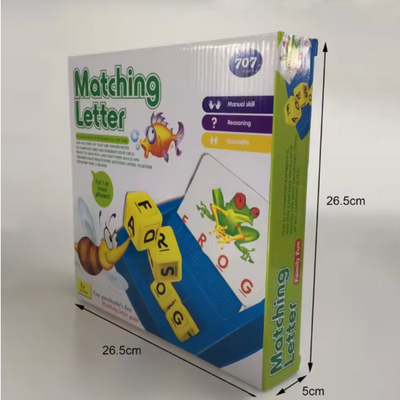
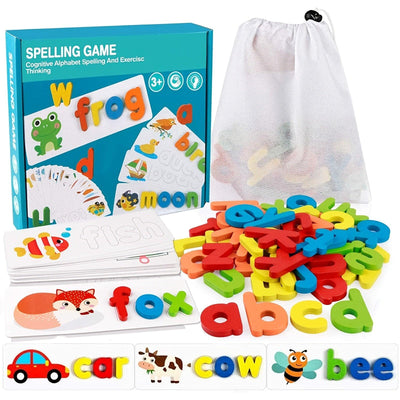
- Naming games. Letter matching, alphabet sets, anything that rewards saying a word out loud, not just pointing. Repetition here is a feature, not a flaw — children often need the same word forty times before it sticks.
- Anything that needs a request. Toys with parts that are just out of reach, or that need an adult to open a lid, gently create moments where a child has to ask for something instead of just taking it.
the doctor's kit gets more "say aah" than actual doctors do
What to slow down on
Toys that talk for the child — the ones with a speaker that names everything automatically — remove the exact moment you're trying to create. Same with anything that's mostly screen. It's not that they're bad toys; they're just not doing this particular job. Save them for downtime, and keep the naming and pretend-play toys for the moments you're playing together.
How to use these toys, not just buy them
The toy is maybe a third of it. The rest is what you do with it: narrate what you're both doing out loud, pause before naming something so your child gets a beat to try first, and resist finishing their sentences. None of that needs a toy at all — but the toys below make it easier to sit down and do it for fifteen minutes without either of you getting bored.
Where to look in the shop
Most of what we've described sits inside our Puzzles & Sensory Toys and Role Play & Pretend Play collections. Age-wise, this kind of play tends to suit the 2–3 and 3–4 Years range best, though every child's timeline is their own.
Four we'd actually recommend
The four below cover naming, pretend play with a script, and hands-on requesting — picked specifically for language, not just tagged into a rail because they happen to be the right age. All are in stock in Lahore, Cash on Delivery, no card needed.
One more thing
Don't turn playtime into a drill. If a toy starts feeling like homework, put it away and come back tomorrow. The goal is a child who wants to talk to you, not one who's being tested.